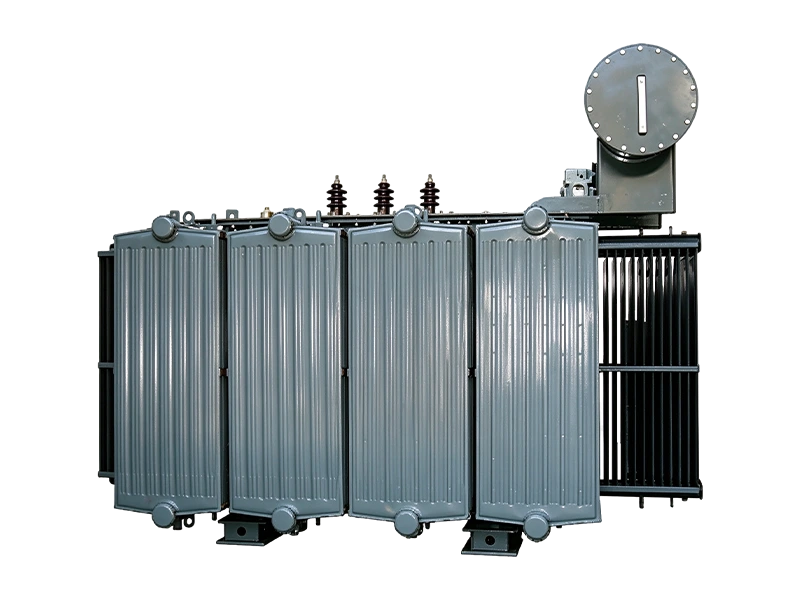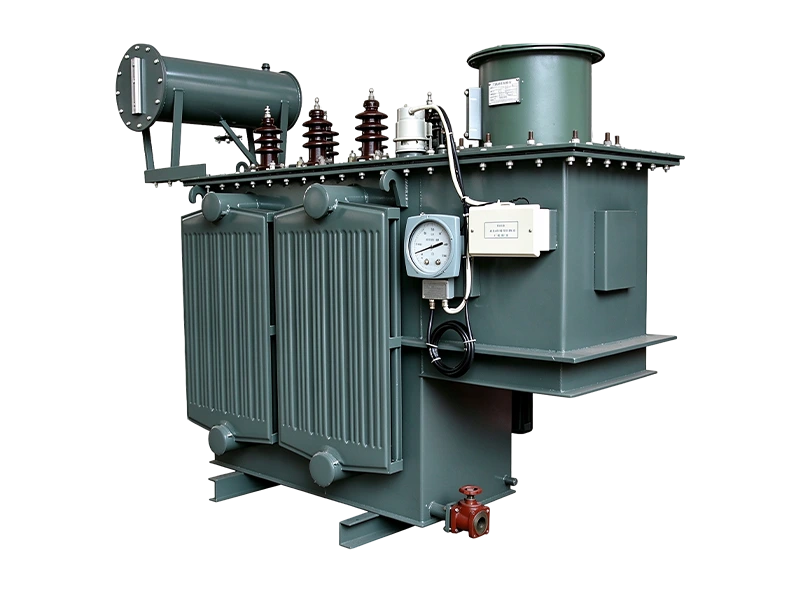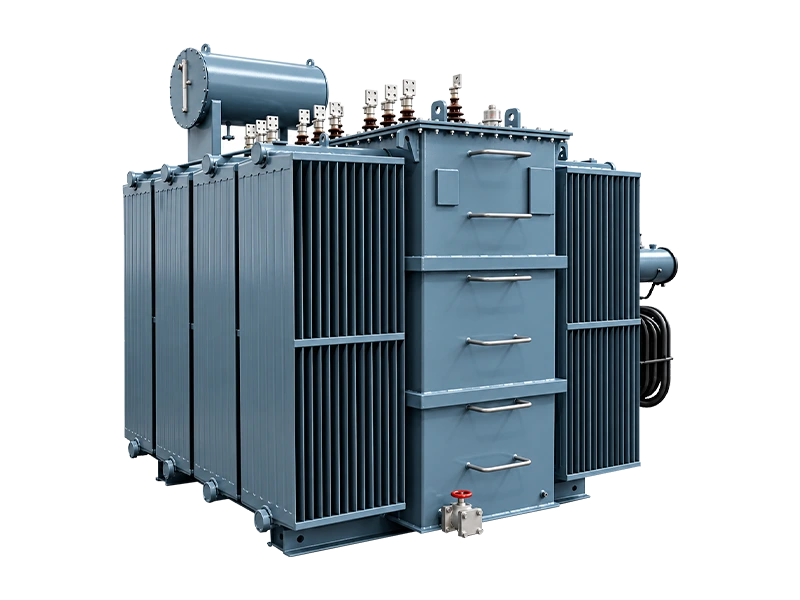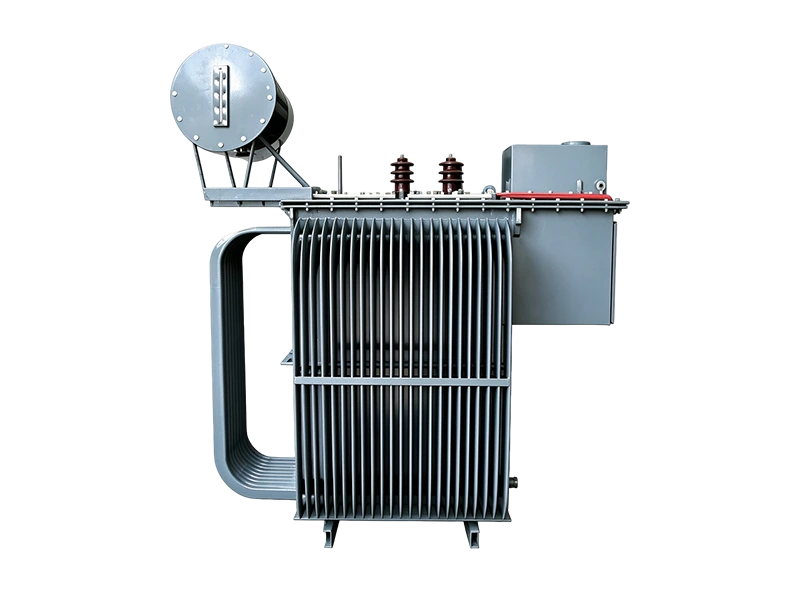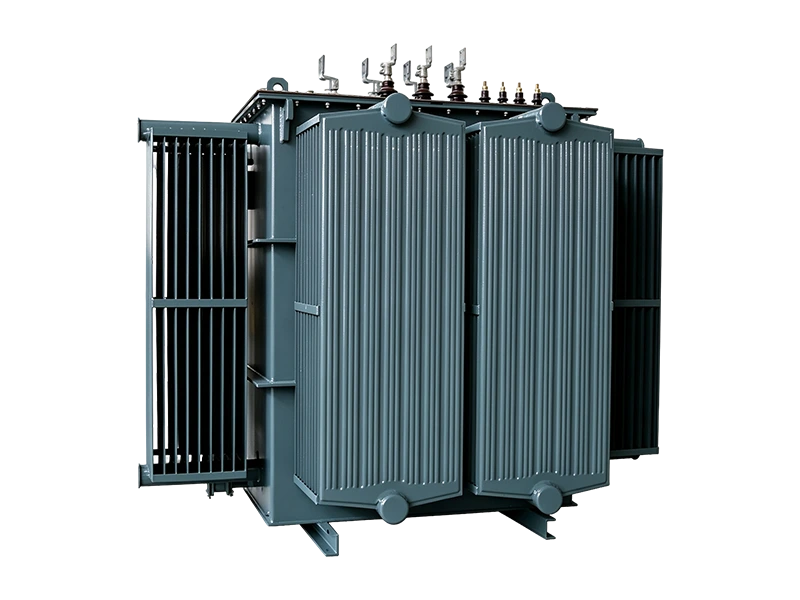




Tin Bath Dry-Type Transformer
Overview
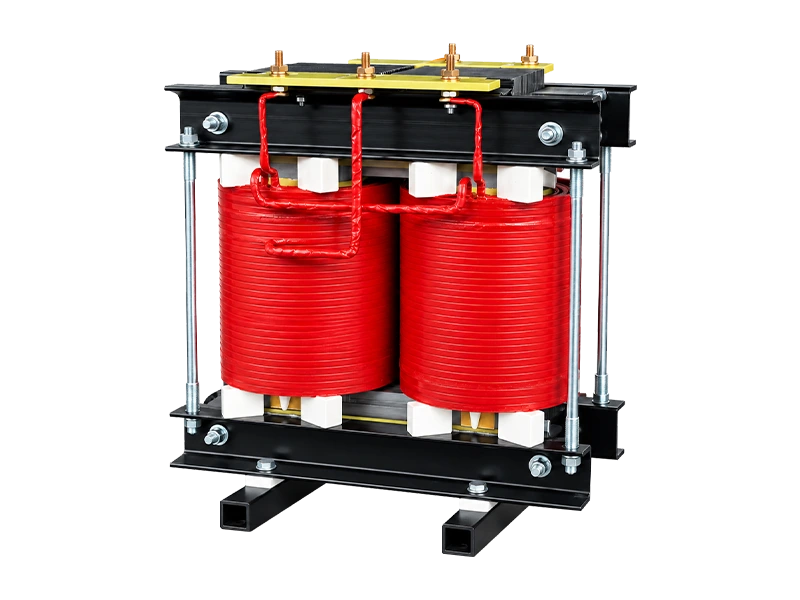
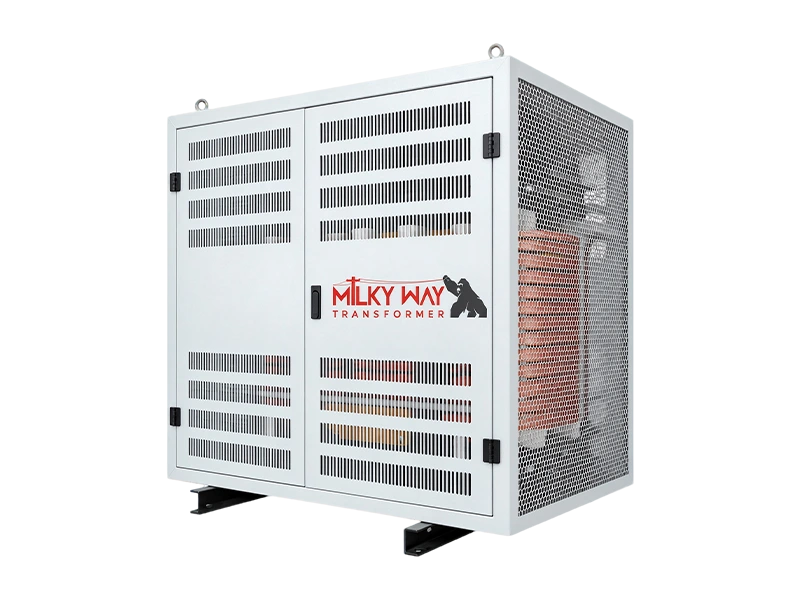
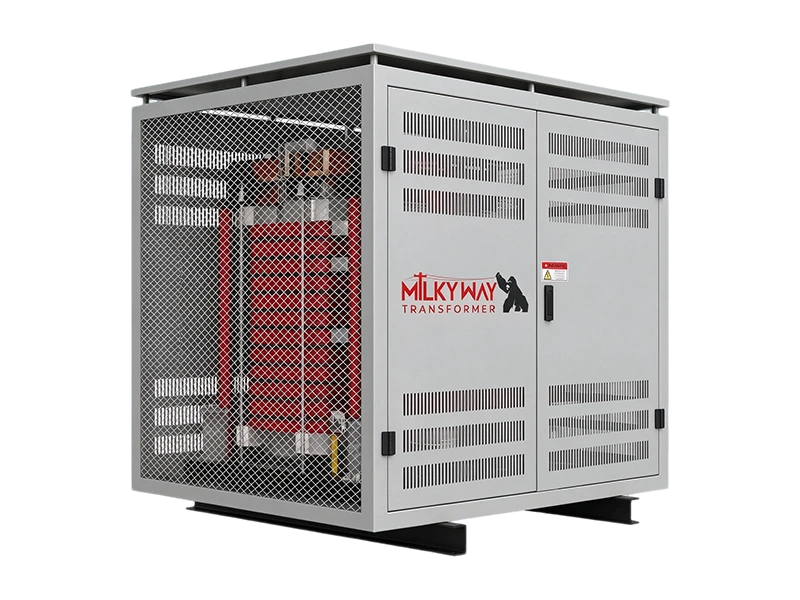
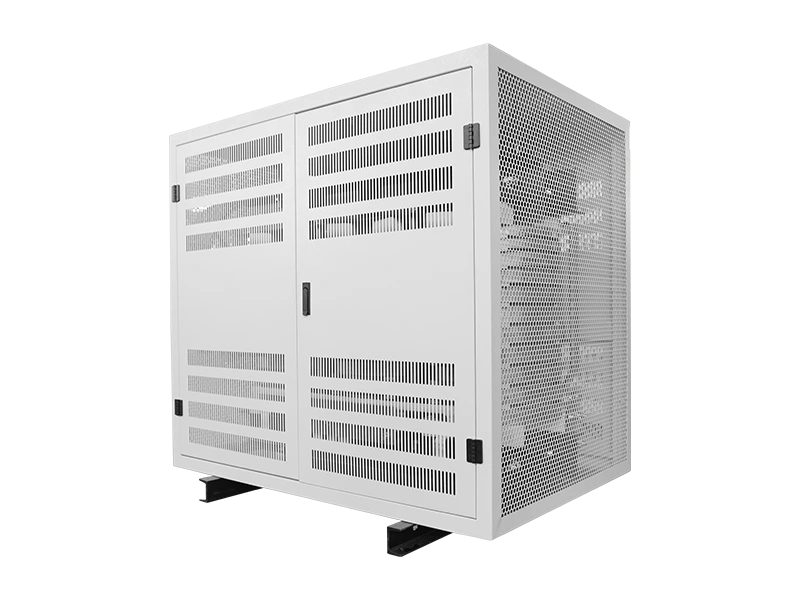
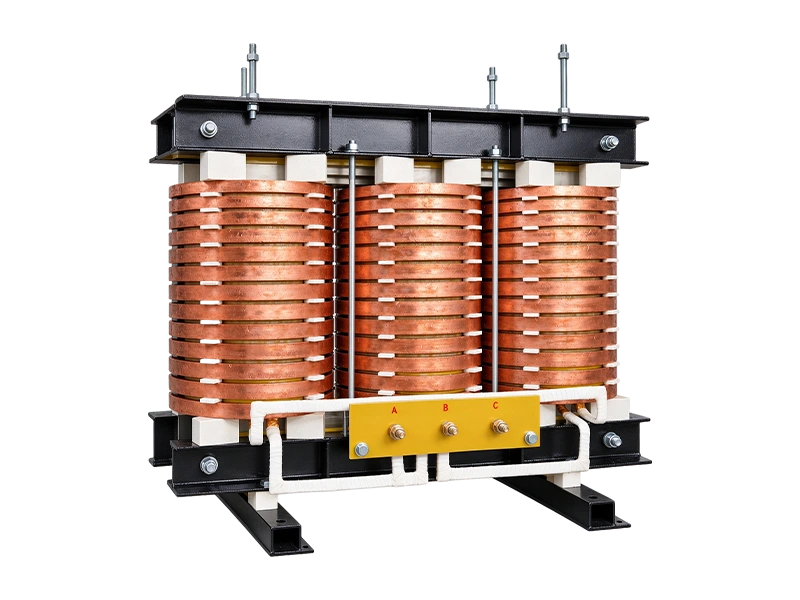
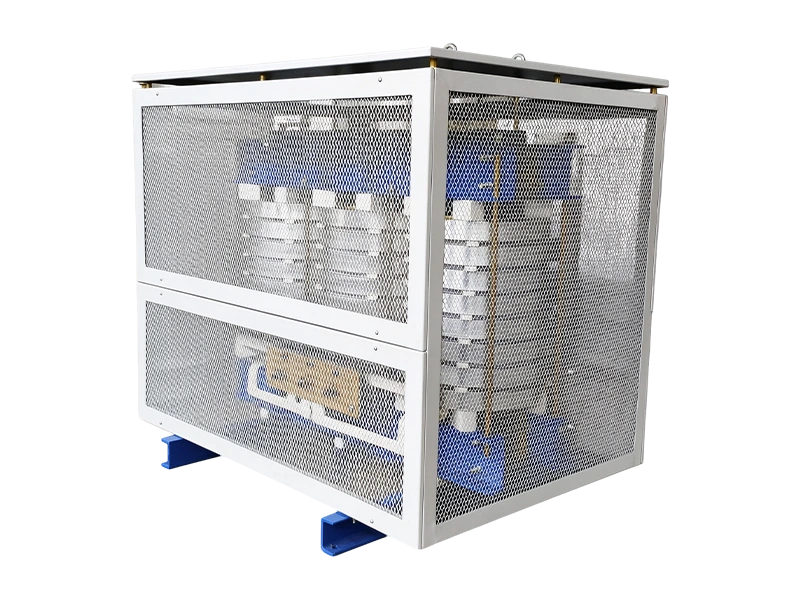
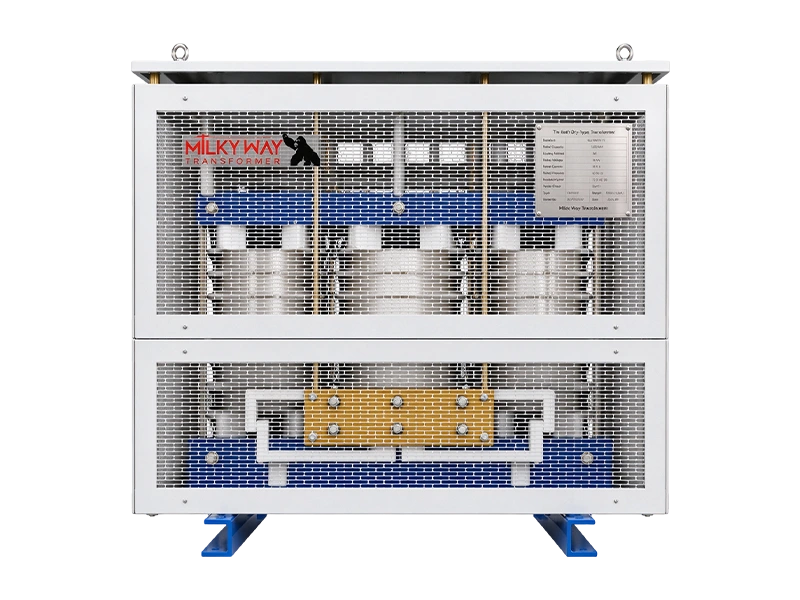
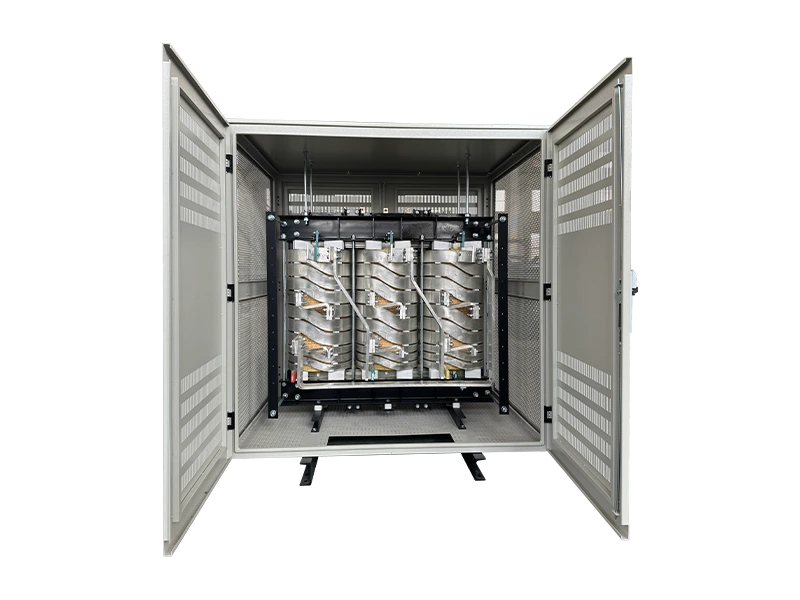
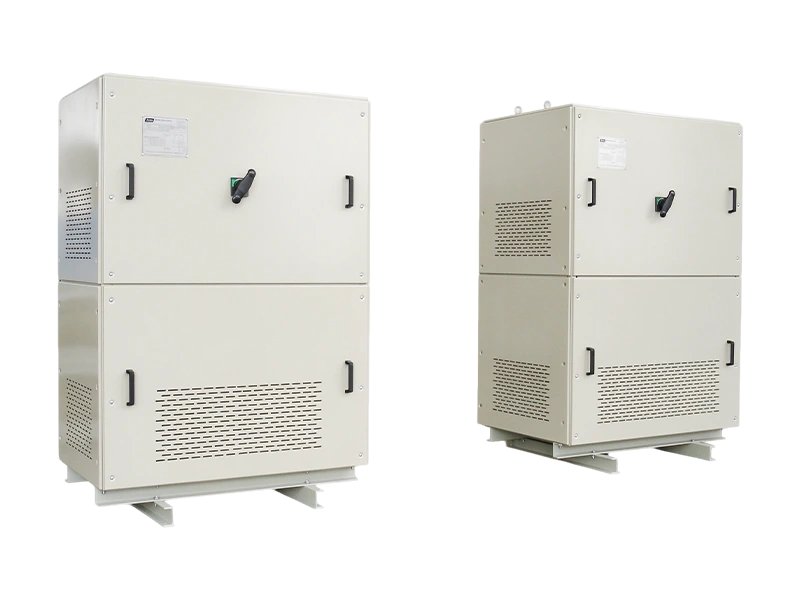
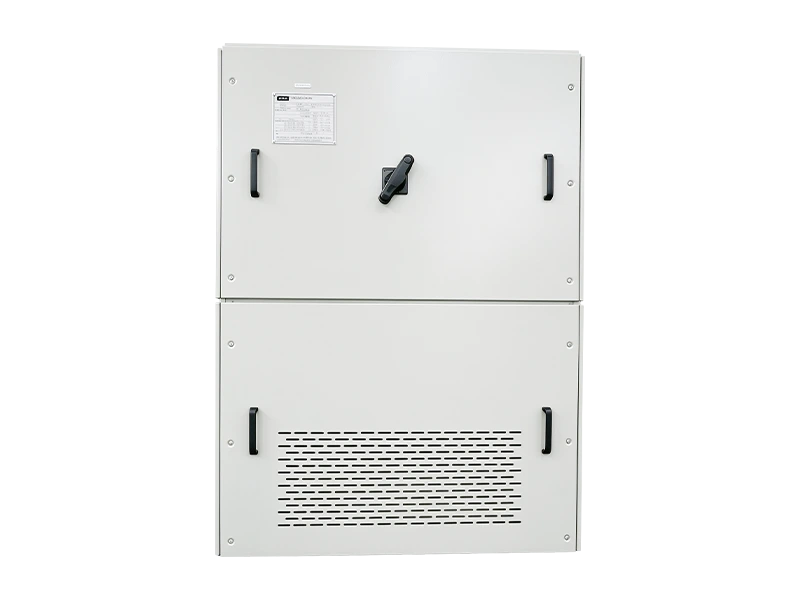
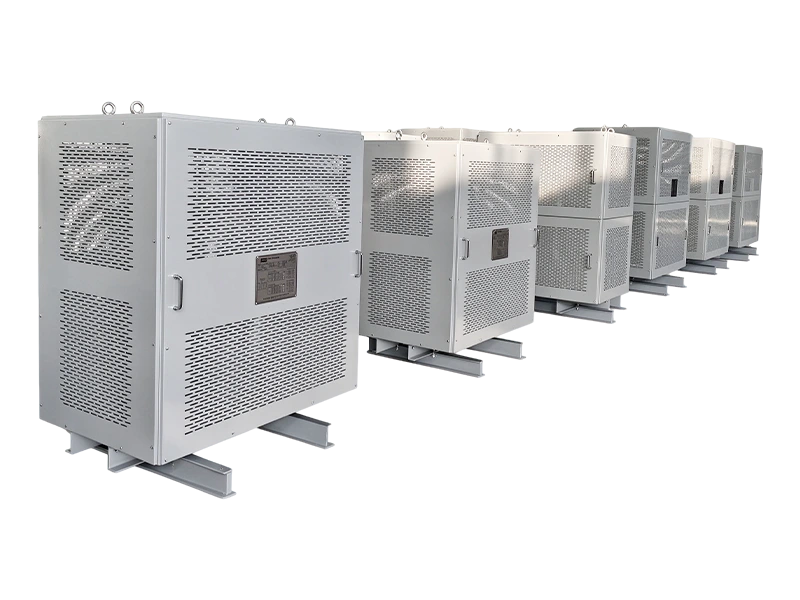
Tin bath dry-type transformers are a core Milky Way product for float glass production, supplying low-voltage power matched to the heating elements in each tin bath zone. They serve float and photovoltaic glass production lines, with single-phase or three-phase arrangements selected around zone power, element voltage and control requirements. New installations and cold-repair projects can be configured for the actual process and installation interfaces.


Tap Selection for Heating Duty
- The resistance of silicon carbide elements changes in service, so selection considers voltage requirements for both new and aged elements. Multiple output taps provide the specified voltage steps across the element operating cycle. Where remote switching is required, the contactor and interlock arrangement is coordinated with the transformer.
Windings, Insulation and Cooling
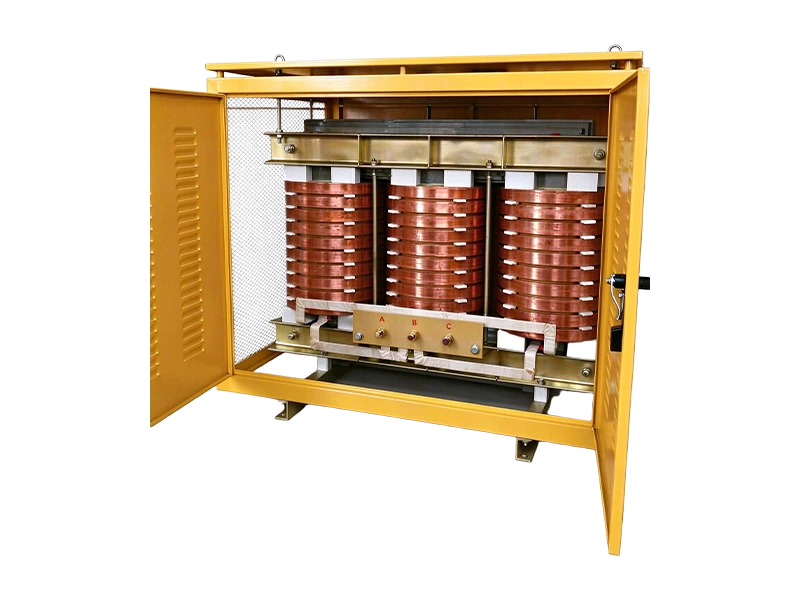
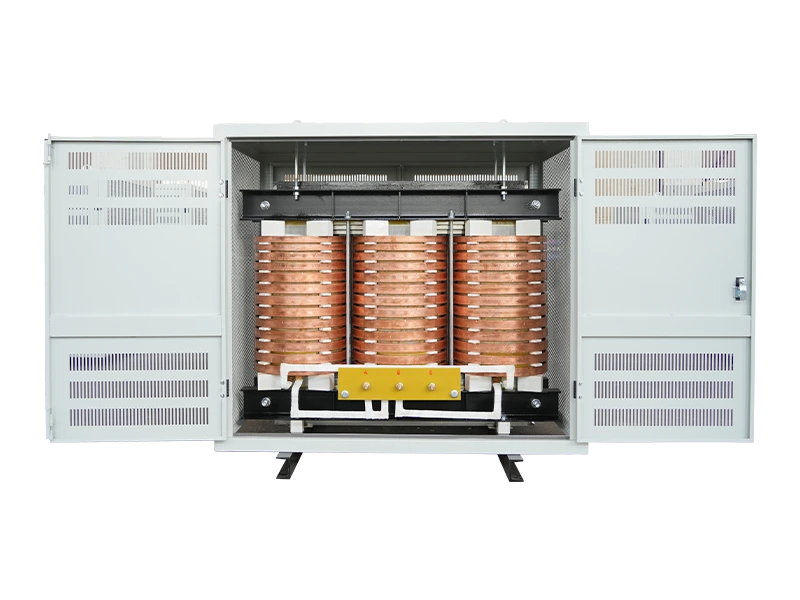
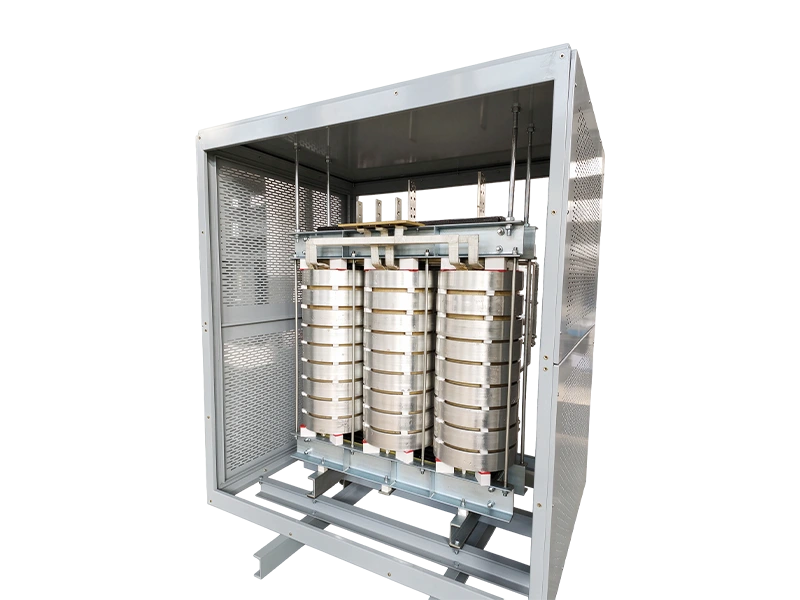
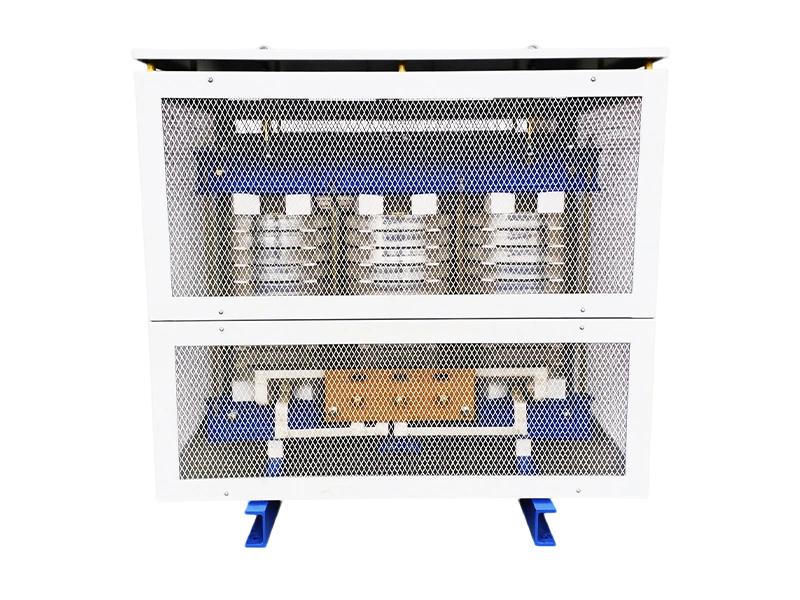
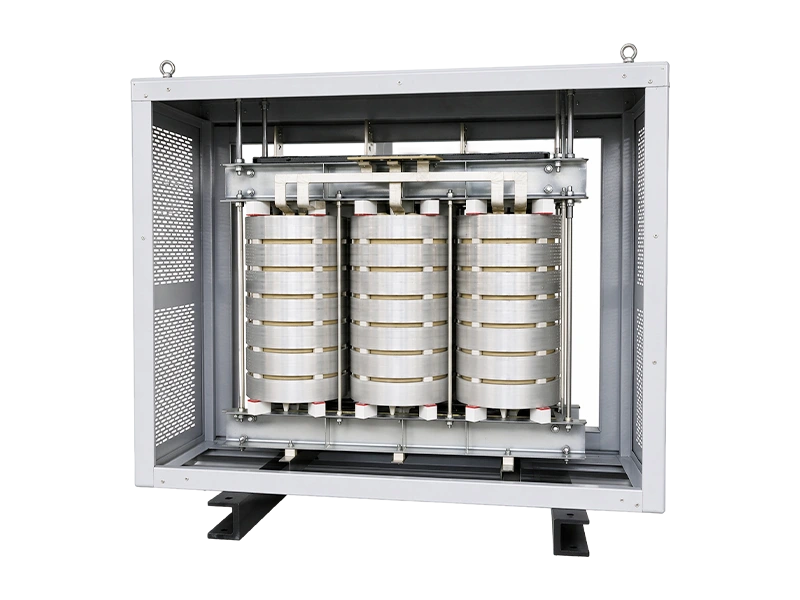
- The Wansheng technical designs use dry-type insulation with copper windings, impregnation and ventilation ducts. Low-voltage, high-current connections can be configured for the busbar and site layout. Insulation class, ventilation, enclosure protection and temperature monitoring follow the installation conditions. Ambient temperature, cooling paths and service access are reviewed together for hot or space-constrained locations.
New Lines and Cold-Repair Projects
- For a new line, selection starts with the heating-zone schedule, load voltages and control system. Replacement projects also review the existing nameplate, dimensions, terminal orientation, busbar positions, vector group and tap sequence to coordinate with installed equipment.
Technical Specifications
Key selection data include rated capacity per zone, primary voltage, secondary tap voltages, phases, frequency, vector group, impedance, cooling, ambient temperature, enclosure and terminal arrangement. Single-phase and three-phase ratings are selected for the corresponding heating load.
| Model number |
Rated capacity (kVA) |
Phase number | Rated voltage | Connection symbol |
Loss (W) |
No load current (%) |
Impedance voltage (%) |
Dimensions (mm) Length × Width × Height |
||
|---|---|---|---|---|---|---|---|---|---|---|
|
Primary voltage (V) |
Secondary voltage (V) |
No-load | Short circuit | |||||||
| ZHDG-10/0.5 | 10 | 1 | 220 380 | Optional according to user requirements | lio | 90 | 360 | 3.8 | 3.5 | 400×350×560 |
| ZHDG-15/0.5 | 15 | 1 | 220 380 | lio | 110 | 440 | 3.8 | 3.5 | 420×350×580 | |
| ZHDG-20/0.5 | 20 | 1 | 380 | lio | 140 | 580 | 3.5 | 3.5 | 450×350×600 | |
| ZHDG-30/0.5 | 30 | 1 | 380 | lio | 160 | 670 | 3.1 | 4 | 450×380×650 | |
| ZHDG-40/0.5 | 40 | 1 | 380 | lio | 180 | 810 | 2.8 | 4 | 500×380×700 | |
| ZHDG-50/0.5 | 50 | 1 | 380 | lio | 200 | 900 | 2.6 | 4 | 600×400×700 | |
| ZHDG-60/0.5 | 60 | 1 | 380 | lio | 240 | 1080 | 2.3 | 4 | 650×400×750 | |
| ZHDG-80/0.5 | 80 | 1 | 380 | lio | 320 | 1440 | 2.1 | 4 | 650×420×780 | |
| ZHDG-100/0.5 | 100 | 1 | 380 | lio | 360 | 1620 | 1.9 | 4 | 700×450×800 | |
| ZHSG-20/0.5 | 20 | 3 | 380 | Dy11 | 160 | 640 | 4 | 3.8 | 570×320×500 | |
| ZHSG-30/0.5 | 30 | 3 | 380 | Dy11 | 220 | 980 | 3.6 | 3.8 | 630×350×500 | |
| ZHSG-35/0.5 | 35 | 3 | 380 | Dy11 | 280 | 1160 | 3.2 | 3.8 | 650×350×550 | |
| ZHSG-50/0.5 | 50 | 3 | 380 | Dy11 | 380 | 1800 | 2.8 | 4 | 680×380×550 | |
| ZHSG-80/0.5 | 80 | 3 | 380 | Dy11 | 480 | 2160 | 2.3 | 4 | 800×400×550 | |
| ZHSG-100/0.5 | 100 | 3 | 380 | Dy11 | 560 | 2520 | 2.1 | 4 | 900×400×600 | |
| ZHSG-120/0.5 | 120 | 3 | 380 | Dy11 | 620 | 3000 | 1.7 | 4 | 950×450×600 | |
| ZHSG-150/0.5 | 150 | 3 | 380 | Dy11 | 700 | 3500 | 1.5 | 4.5 | 1020×450×700 | |
| ZHSG-180/0.5 | 180 | 3 | 380 | Dy11 | 760 | 4200 | 1.5 | 4.5 | 1050×500×750 | |
| ZHSG-200/0.5 | 200 | 3 | 380 | Dy11 | 820 | 5400 | 1.3 | 4.5 | 1050×500×800 | |
| ZHSG-250/0.5 | 250 | 3 | 380 | Dy11 | 920 | 6000 | 1.2 | 4.5 | 1150×550×900 | |
| ZHSG-315/0.5 | 315 | 3 | 380 | Dy11 | 1120 | 6800 | 1.1 | 4.5 | 1200×550×950 | |
* Values are reference data; project guarantees are confirmed in the technical agreement.
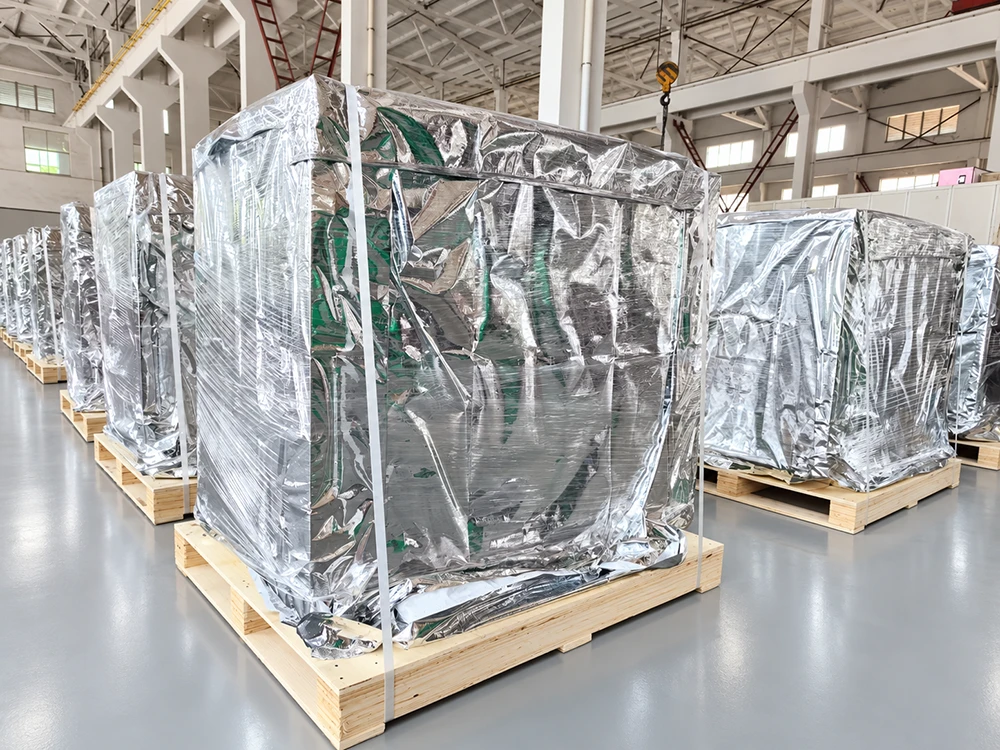
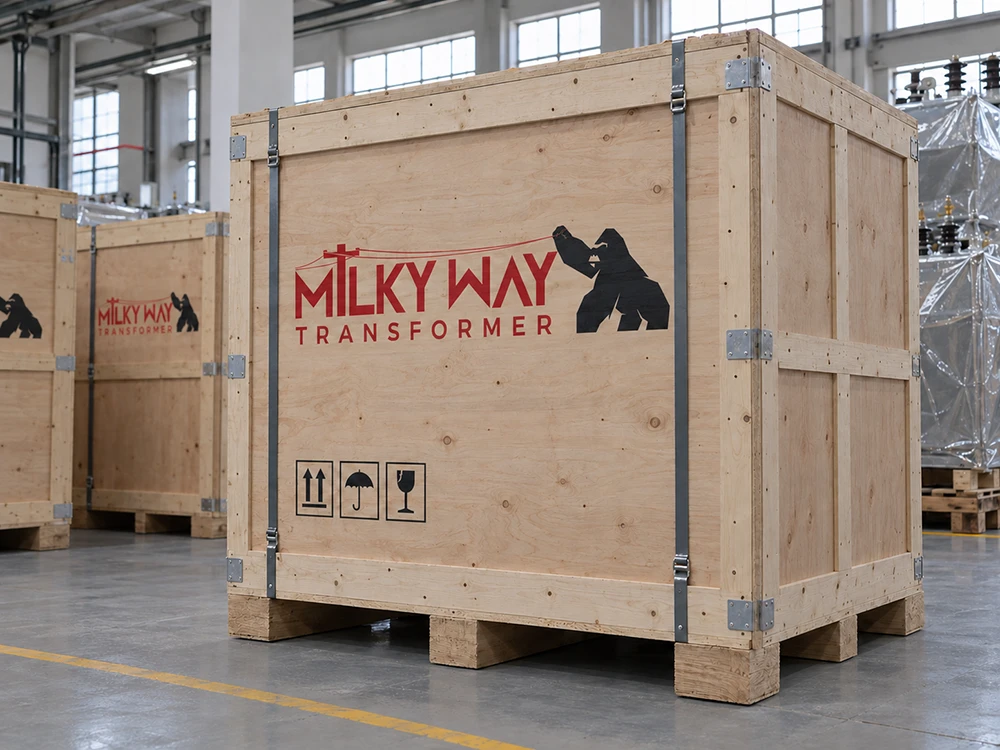
Packing & Delivering
Multi-layer protection and expert logistics for safe global transit.

FAQ's
Q: Are Test Documents Available?
A: Existing dry-type transformer test documents are available for review against the selected model.
Q: What Is Needed For A Cold-repair Replacement?
A: Provide the existing nameplate, tap voltages and capacities, wiring diagram, installation dimensions, terminal photos and new/aged element data.
Q: Why Are Multiple Taps Used?
A: They match the operating voltage required at different stages of heating-element service. The tap schedule is coordinated with the control arrangement.
How Should Winding Material Be Selected?
Compare complete designs under the same duty, including losses, temperature rise, dimensions, terminal connections and maintenance requirements. The conductor material alone does not determine overall performance. Availability of each material is confirmed for the specific model and proposal.
What Is Needed For A Tin Bath Transformer Retrofit?
Provide the existing nameplate, connection and tap diagram, installation dimensions, terminal orientation, enclosure size and heating-zone schedule. State whether the controller is retained and whether the load has changed. Review the original operating problems as well as the replacement rating.
How Is A Tin Bath Transformer Sized?
Confirm each zone’s actual voltage, current and duty before reviewing ageing, ambient temperature, ventilation and controls. Some source projects specify a capacity margin, but a project-specific ratio is not a universal sizing rule. The final rating and margin must be established for the application.
Why Use A Dedicated Tin Bath Transformer?
Tin bath heating has specific output voltage, tap, ambient and control requirements. A distribution unit with a similar capacity may not provide the same output or interfaces. Start with the heating-zone schedule and review normal operation together with heating-element ageing requirements.
What Is A Tin Bath Dry-type Transformer?
It provides the isolation and output voltage required by the heating zones of a float-glass tin bath. Zone power, voltage steps and heating-element condition can differ, so each zone should be checked. Enclosure, terminal direction and ventilation space are part of the selection.